
Weekend Reading #86

Weekend Reading: A weekly roundup of interesting Software Architecture and Programming articles from tech companies. Find fresh ideas and insights every weekend.
This week: a massive AI interview guide for .NET engineers covering everything from LLM basics to MCP security. Zalando shares one of the year's best engineering posts — how they built an in-process load balancer handling a million RPS, complete with occupancy-based bounded load and N-ring fade-in. Netflix introduces Vera and VOID — two research models for controllable AI video editing that keep artists in the driver's seat. LinkedIn reveals its autonomous QA Agent, which uses vision-language models and a System 1/System 2 architecture to test apps across platforms without human scripting.
AI-Related .NET Interview Questions and Answers (2026): LLMs, RAG, Agents, Claude Code, Cursor, Copilot, and MCP
👉 For .NET developers who want to get ready for AI-related interview questions — or just want to understand how LLMs, agents, and tools like MCP actually fit into C# projects
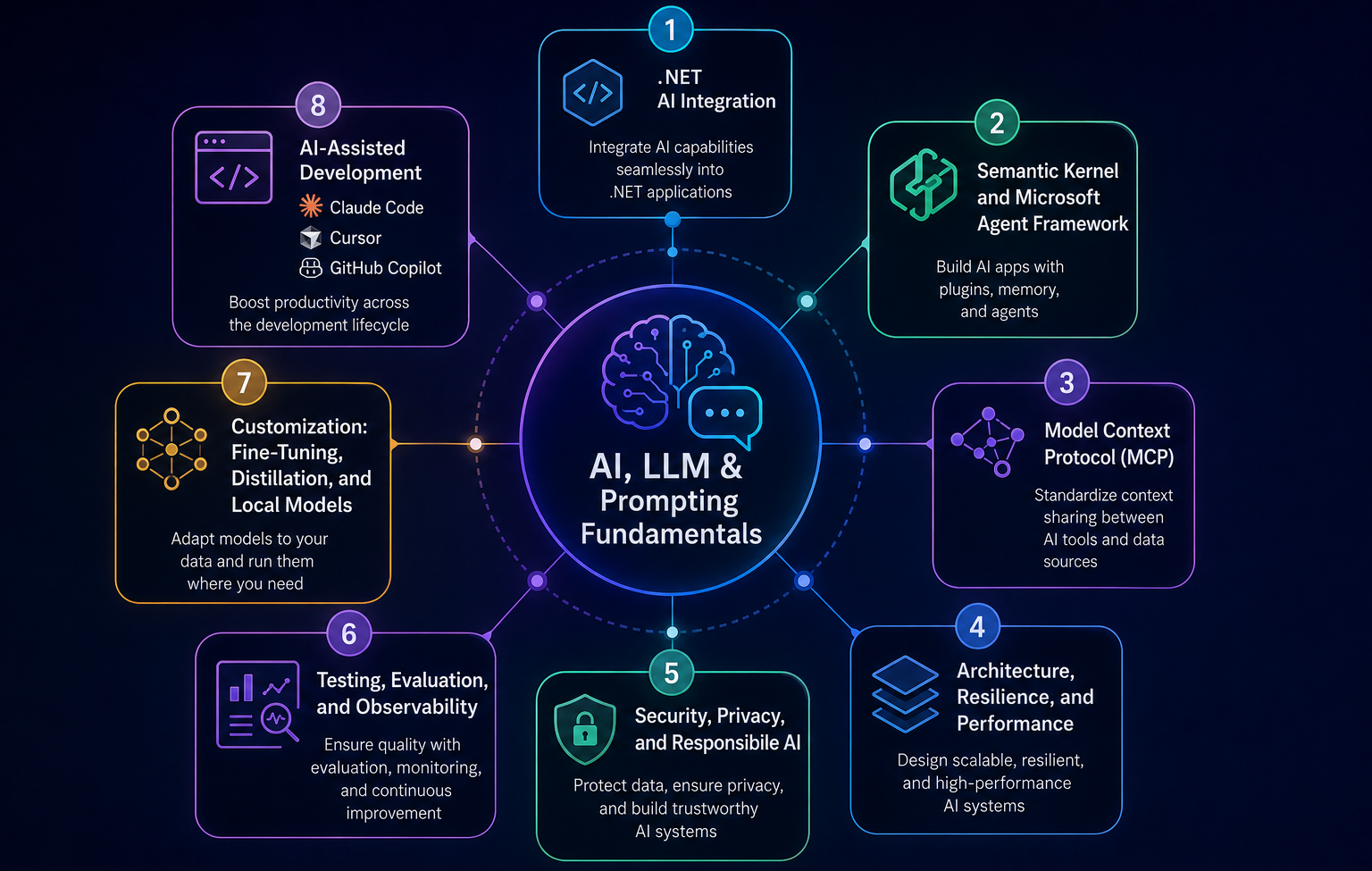
A big, hands-on guide covering everything a .NET engineer might get asked about AI in 2026 — from "what is an LLM" basics to building MCP servers in C#, managing conversation history, prompt versioning, multi-agent patterns, guardrails, and security. Each answer is split into what juniors, middles, and seniors should know, with real C# code examples.
Client-Side Load Balancing at a Million Requests Per Second
👉 For backend engineers, SREs, and anyone curious about what happens when you outgrow your shared load balancer and need to own the routing yourself
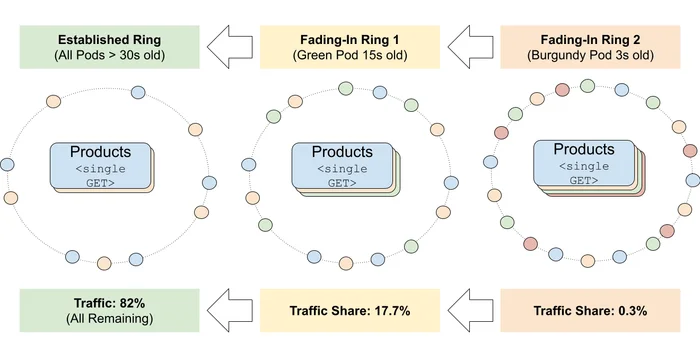
Zalando moved a million requests per second off their shared ingress load balancer and into the calling service itself. The post walks through the full journey building a matching hash ring, N-ring fade-in for smooth scale-ups, replacing in-flight with occupancy-based bounded load using Little's Law, AZ-aware routing experiments, and hardening the fan-out path. The result: daily Skipper costs dropped from $450 to $110, 25% fewer pods, and zero load-balancing incidents since migration. One of the best engineering blog posts this year.
Toward More Controllable AI Video Editing: An Early Research Exploration at Netflix
👉 For ML researchers, video engineers, and anyone interested in how generative AI can help with video editing without messing up the original footage
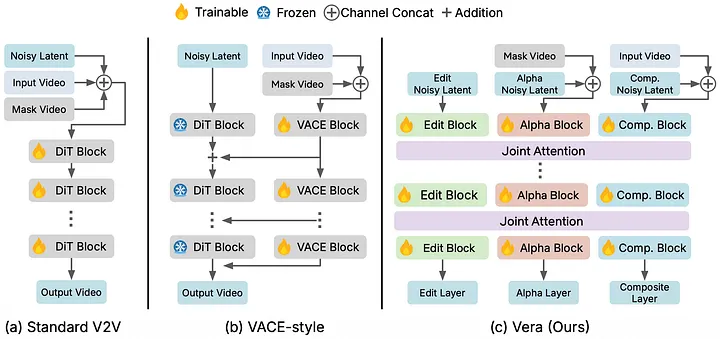
Netflix shares two research models, Vera (a layered video diffusion model that generates only what needs to change as a separate layer, keeping the original footage untouched) and VOID (a video inpainting model that removes objects and reconstructs the scene as if they were never there). Both are designed to keep artists in control, and the research papers are publicly released.
QA Agent: Reimagining Software Quality with AI-Driven Autonomous Testing
👉 For QA engineers, test automation leads, and anyone interested in how AI agents can actually test apps on their own
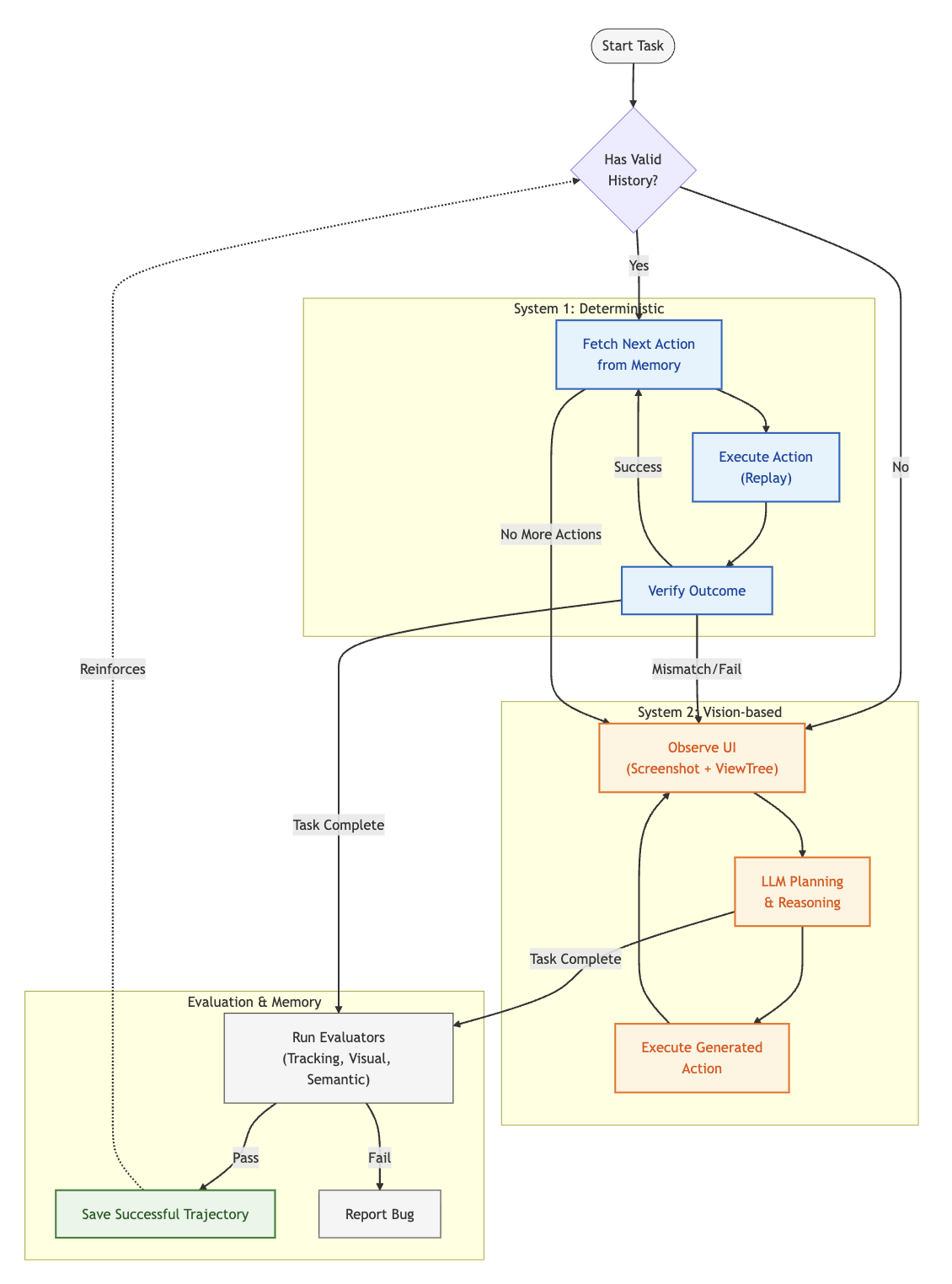
LinkedIn built an autonomous QA Agent that tests their apps across iOS, Android, and Web using vision-language models and a multi-model architecture inspired by System 1/System 2 thinking. System 1 replays known paths fast and cheaply. System 2 kicks in when the UI changes, the agent looks at screenshots, decides what to tap, and reports real bugs. They prioritized precision over recall so engineers actually trust the results, and built a golden dataset framework for deterministic evaluation.